Industry Guides
CRM for Exporters: Managing Buyer Enquiries, Samples and Repeat Orders
· ATTPL CRM Team
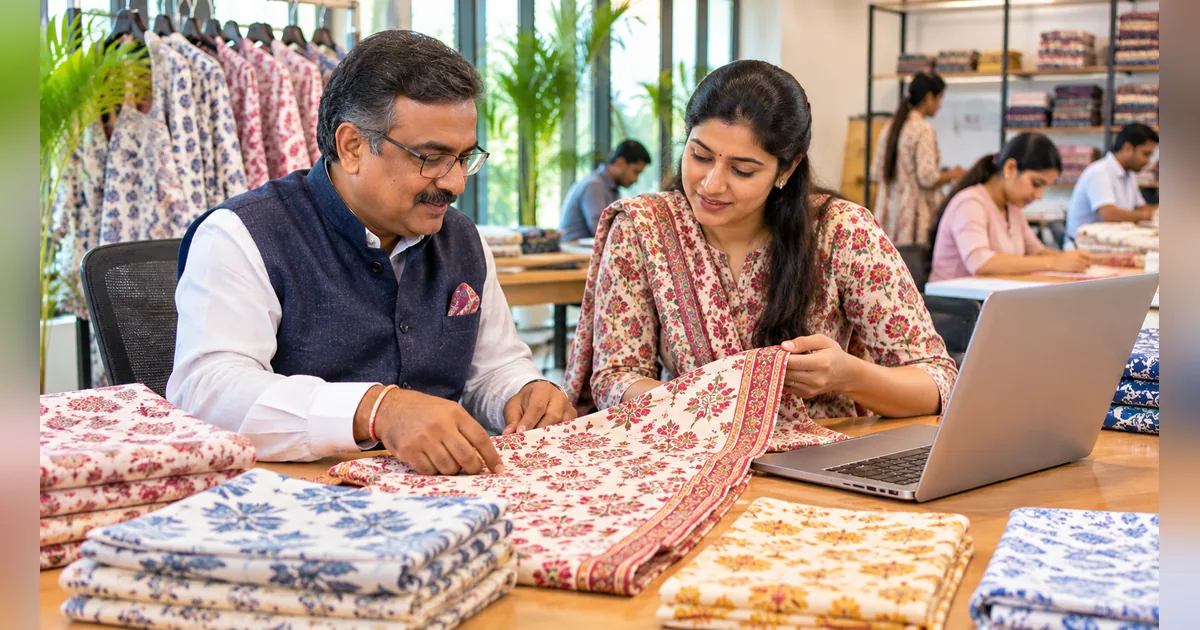
Jaipur's textile, gemstone, handicraft and furniture exporters often run on email threads, trade-fair visiting cards and a busy owner's memory. That works with ten buyers, but not with a hundred. A CRM gives every overseas enquiry a clear owner, a next step and a full history, so no buyer waits and no sample is forgotten.
Why export sales need structure
An export deal moves slowly. A buyer meets you at a fair, asks for a catalogue, requests samples, negotiates on quality and packing, places a trial order and only then becomes a steady customer. Each step may take weeks, and the conversation may pass through several people on both sides. When this history lives only in inboxes, the next person picking up the account starts from zero.
Time zones add another layer. A reply that reaches Europe or the US a day late feels slow to the buyer. A CRM with reminders set in the buyer's working hours helps a small team respond on time without staying online all night.
Many Jaipur exporters also deal with agents and buying houses in between. Record who the real decision-maker is, who influences quality approval and who handles payments, so your team speaks to the right person at each stage.
What to record for every buyer
- Company, country, contact people and their roles
- Source of the enquiry: trade fair, website, export council, referral or marketplace
- Product interest, quality expectations and target quantities
- Samples sent, courier details, dates and feedback received
- Quotations, revisions and agreed terms such as Incoterms and payment mode
- Certifications or compliance documents the buyer has asked for
Group buyers by country, product line and potential so that your team can plan outreach sensibly. Our customer segmentation guide explains simple ways to do this.

Samples and quotations: where deals are won or lost
Treat every sample dispatch as a stage in the pipeline, not a side task. Create a follow-up task a few days after delivery to ask for feedback, and record the response in the buyer's own words. If the buyer asks for changes in colour, size or finish, log them clearly so the next sample is right the first time.
Keep all quotation versions in the CRM with dates, so your team never sends conflicting terms. The quotation and proposal management guide covers templates, approvals and version control in more detail.
Turning trial orders into long-term accounts
The first order is a test. Share production updates, photos before dispatch and shipping documents promptly, and log every quality complaint as a ticket with a clear resolution. After delivery, schedule check-ins before the buyer's next buying season, not after it.
Your top buyers deserve a named account owner and a yearly plan covering new collections, volumes and visits. Read our key account management guide to set this up. Export promotion councils and the DGFT also publish useful information on schemes, fairs and procedures that your team can note against relevant buyers.
Practical tips for small export teams
- Enter trade-fair contacts within a day or two, while details are fresh
- Use tags for buyer country and season so you can plan mailers
- Store email conversations against the buyer record, not in personal inboxes
- Review open samples and quotations in a short team meeting every week
- Protect buyer data and share it only with people who need it
Start with the buyers you already have. Import your existing buyer list, add the last order and the next expected season for each, and assign owners. Within a few weeks the team will have one place to look before every reply, and the owner will no longer be the only person who knows the full story of each account.
ATTPL CRM
ATTPL CRM helps exporters track enquiries, samples, quotations and repeat orders in one place. Toll-free: 1800 890 0815.
Frequently asked questions
Can a small exporter with three or four people use a CRM?
Yes. Even a small team benefits from one shared record of buyers, samples and follow-ups.
How should trade-fair leads be handled?
Enter them quickly, tag them with the fair name and send a personal follow-up within days.
Should samples be tracked in the CRM or in a separate register?
Tracking them as pipeline steps inside the CRM keeps feedback and follow-ups connected to the buyer.
Sources
This article is general business information.
Organise your customer relationships
Leads, contacts, follow-ups and pipelines in one workspace for Indian businesses.